Do you need cavity wall insulation removed?
Probably not, if your walls are dry. Extraction costs thousands and makes sense when the insulation is actually causing a problem. Answer five questions and I’ll tell you where you stand.
Five questions, one straight answer
Not a survey, and it can’t see your wall. It’s the order I’d think it through in if it were my house.
Start with the first one. The answer updates as you go.
First: does your house even have a cavity?
It sounds daft. It isn’t. Most homes built before the 1920s have solid walls: one thick layer of brick or stone, no gap, nothing to fill and nothing to extract. If someone has sold “cavity” work on one, ask what exactly they filled.
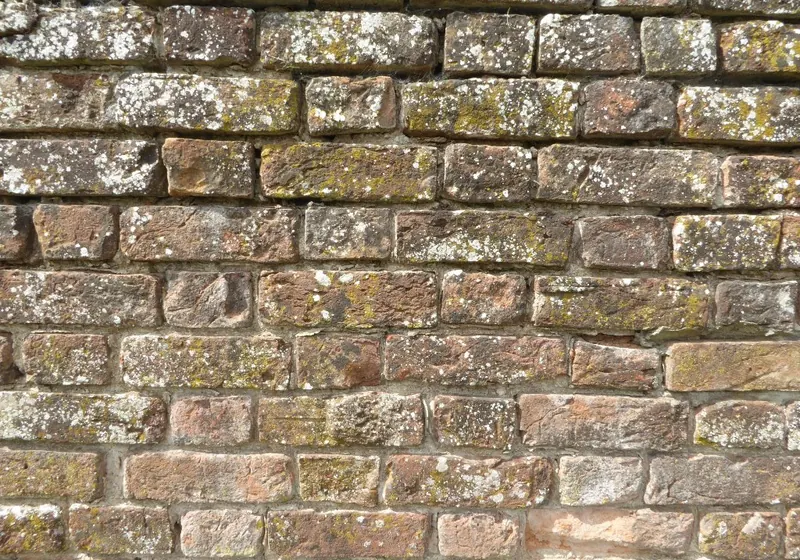
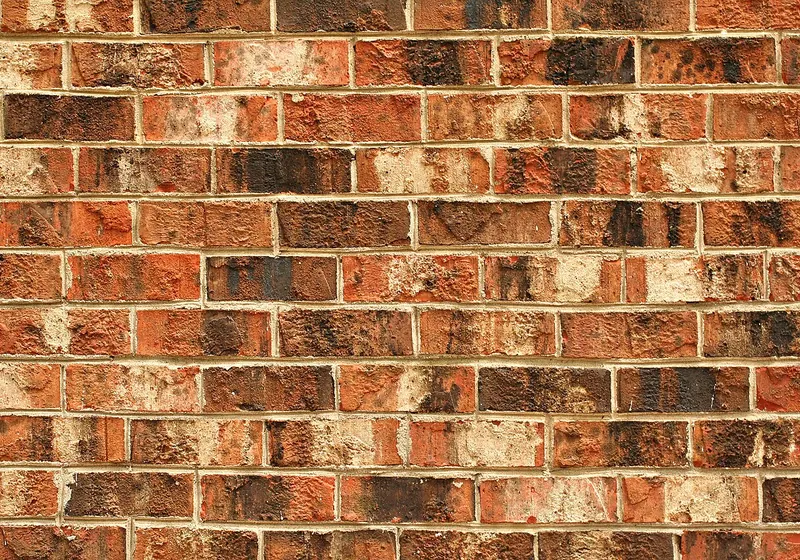
Three ways to check, from the Energy Saving Trust
- The brick pattern. As above. Long sides only usually means a cavity. Short ends showing usually means solid.
- The thickness. Measure the wall at a window or door frame. More than about 260mm thick and it probably has a cavity. Thinner is probably solid. Stone walls are usually solid however thick they are.
- The age. Built after the 1920s, likely a cavity. Before that, more likely solid.
Source: Energy Saving Trust, cavity wall insulation advice, read October 2026.
Is your house too exposed for it?
The UK is split into four zones by how much wind-driven rain hits a wall in a typical spell. The wetter the zone, the more likely rain gets through the outer brick, and the more a filled cavity can carry it across.
| Zone | Exposure | Wind-driven rain per spell |
|---|---|---|
| 1 | Sheltered | 33 litres per m² or less |
| 2 | Moderate | 33 to under 56.5 litres per m² |
| 3 | Severe | 56.5 to under 100 litres per m² |
| 4 | Very severe | 100 litres per m² or more |
What it means for you. Building rules from Approved Document C and the NHBC have long barred filling a cavity completely in very severe areas where the outer wall is bare, “fair-faced” brick. Rendered or otherwise weatherproof outer walls were treated as lower risk. Some houses in exposed areas were filled anyway, and those are the ones most likely to have problems.
Where the wet zones are. Broadly, the most exposed places are high ground and coasts facing the Atlantic weather: much of Wales, the South West, the North West, western Scotland and Northern Ireland. But exposure is local. A house on a hilltop or a seafront can be far wetter than its zone suggests, and one in a sheltered valley far drier. Look at the official map for your area rather than guessing.
One more thing to check: which way the damp wall faces. In most of the UK the worst weather comes from the south-west and west.
Zones and thresholds from BRE Report 262’s map of wind-driven rain, as summarised by Knauf. Building rules: LABC and NHBC Standards 6.1.6, which includes the map. Read October 2026.
Leave it, or get it looked at?
Dry walls, no problems
Inside walls dry, no mould, no cold patches, and your only reason for worrying is a phone call. Leave it. Taking out insulation that works just makes the house colder and your bank balance smaller.
Damp, but a cheaper cause
Leaking gutter, crumbling pointing, soil above the damp course, condensation. Fix that, give the wall a few months to dry out, and see. The usual suspects »
Damp after rain, on the weather side
Especially in an exposed spot, with the obvious causes ruled out. Get a borescope look inside the cavity, and check for a guarantee before anyone touches it.
A surveyor or buyer has flagged it
A sale puts a clock on it. Check for a CIGA guarantee straight away, because a duplicate certificate can reassure a buyer, then get an inspection and itemised quotes.