Cavity wall insulation problems: is it really the insulation?
Damp patches, black mould, a bedroom that never warms up. Failed cavity insulation can cause all of them. So can a blocked gutter. Here’s how to tell the difference before anyone quotes you thousands.
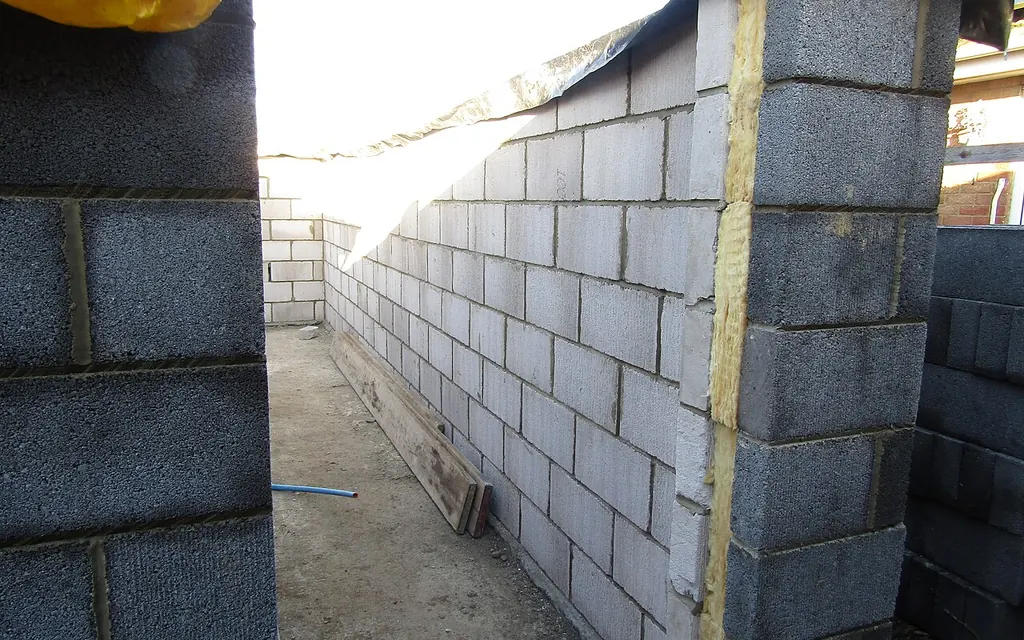
A cavity wall is two walls pretending to be one
Knowing how it’s meant to work makes the problems obvious.
Signs the insulation might be to blame
None of these proves it on its own. Two or three together, on outside walls, is worth getting looked at.
Damp patches on outside walls that appeared after it went in
Especially if the walls were dry for years beforehand and the patches started within a few winters of the installation.
Worse after wind and rain, on one side of the house
Usually the side facing the weather, which in most of the UK means south-west or west. Wind-driven rain is the classic cause. How exposed is your area? »
Patchy, blotchy damp, not a neat tide mark
Rising damp tends to make a line along the bottom of a wall. Bridged insulation makes random patches, often low down, sometimes around windows.
Cold spots you can feel with your hand
Wet insulation stops insulating. Insulation that’s slumped down the cavity leaves a cold band at the top of the wall.
Why cavity insulation fails
Most failures come down to the wrong wall, the wrong weather, or something already lurking in the cavity.
Too much weather
Some parts of the UK get far more wind-driven rain than others. Building rules have long restricted filling the cavity completely in the most exposed areas when the outer wall is bare brick. Some houses were filled anyway. Check your exposure »
Rubbish in the cavity
The gap is meant to be clean. Builders dropped mortar down it for decades, and the bottom of an old cavity can look like an archaeological dig. Pump insulation on top and the bridge is complete. (Old houses hide all sorts. A friend’s place in Whitchurch had newspapers from the Kennedy era under the floorboards.)
An outer wall in poor shape
Cracked render, crumbling pointing and porous bricks let in more water than the cavity was ever meant to handle. Insulation turns a manageable problem into a damp patch. How to check yours »
The wrong fill, or a poor job
Gaps, voids and slumped fibre leave cold spots. Holes drilled in the wrong place, or not sealed afterwards, let water in.
No cavity at all
Some solid-walled houses had “cavity” insulation sold to them anyway. If your house is pre-1920s, check this first. How to tell »
The cheaper suspects. Rule these out first.
Every one of these makes damp that looks like failed insulation. CIGA tells guarantee holders to check for some of them before making a claim, because a claim won’t pay for them.
| Suspect | How to check | Usual fix |
|---|---|---|
| Gutters and downpipes Overflowing or leaking water pours down one patch of wall. | Stand outside in heavy rain with a brolly and a cup of tea. Look for water running down the wall. | Clear or fix the gutter |
| Soil or paving too high Ground piled above the damp course lets water wick up. | Find the damp-proof course, usually a thin line two or three bricks up. The ground should be at least 150mm below it. | Lower the soil or the bed |
| Pointing and render Crumbling mortar and cracked render soak up rain. | Scrape the mortar with a key. If it crumbles like biscuit, it’s letting water in. | Repoint or repair the render |
| Condensation Steam from cooking, showers and drying clothes settles on cold walls. | Worse in winter, in kitchens, bathrooms and behind furniture. Black mould in corners and on window reveals. | Ventilation, extractor fans, heating |
| Leaking pipes A leak inside the wall or under the floor. | Damp that’s there in dry weather too, and doesn’t move with the rain. | A plumber |
If it still looks like the insulation
Check for a guarantee
Before anything else, and before anyone disturbs the insulation. How to claim »
Get someone to look inside
A borescope inspection, a small camera through a small hole, shows whether the fill is wet, slumped or sitting on rubble. Don’t accept a diagnosis made from the pavement.
Fix the cause, then the insulation
If the outer wall is letting in water, extraction alone won’t fix it. Fix the pointing or render as well, or the new insulation goes the same way. Make sure it’s on the quote. What quotes leave out »
Cavity wall insulation problems: common questions
Can cavity wall insulation cause damp?
It can, when it gets wet and bridges the gap between the outer and inner walls. That’s usually down to exposure to wind-driven rain, debris in the cavity, a poorly maintained outer wall or a poor installation. In most houses it causes no problems at all.
How long after installation do problems show up?
It varies. Some show within a winter or two, others after years, when pointing or render has deteriorated and more water gets into the outer wall.
Is the mould dangerous?
Damp and mould can affect health, particularly for children, older people and anyone with breathing problems. If someone in the house is unwell, talk to a GP, and if you rent, tell your landlord in writing.
I rent. Whose problem is it?
Usually the landlord’s. Report damp and mould in writing, keep photos, and contact your council’s housing team if nothing happens.